

Hey there! As a supplier of Yanmar 4JH starters, I've had my fair share of experiences dealing with various issues that customers face. One question that pops up quite often is, "Can a loose connection affect the performance of the Yanmar 4JH starter?" Well, let's dive right into it and find out.
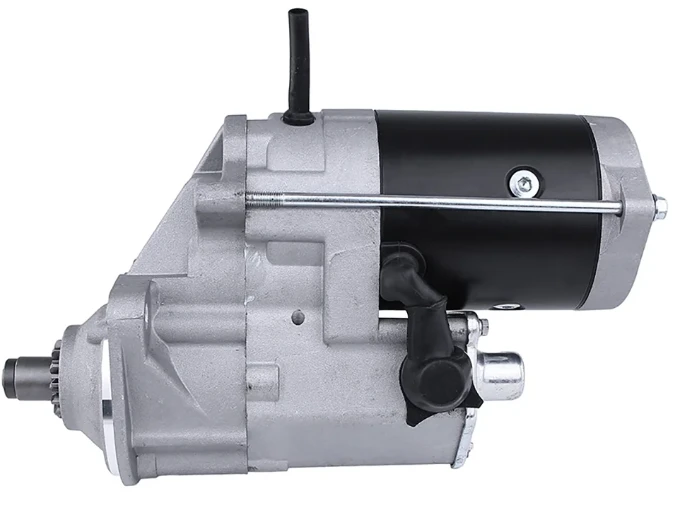
First off, let's understand how the Yanmar 4JH starter works. The starter is a crucial component in the engine starting system. When you turn the ignition key, an electrical signal is sent to the starter solenoid. The solenoid then engages the starter motor, which in turn rotates the engine's flywheel to start the engine. This entire process relies heavily on a stable electrical connection.
Now, let's talk about loose connections. A loose connection can occur anywhere in the electrical circuit of the starter. It could be at the battery terminals, the starter solenoid connections, or even the wiring harness. When there's a loose connection, it disrupts the flow of electricity. And as we all know, electricity is the lifeblood of the starter.
One of the most immediate effects of a loose connection is a decrease in power delivery. The starter motor needs a certain amount of electrical power to function properly. If the connection is loose, the electrical resistance increases. This means that less power reaches the starter motor, and it may not be able to rotate the flywheel with enough force to start the engine. You might notice that the engine cranks slowly or doesn't crank at all.
Another problem caused by a loose connection is overheating. When the electrical resistance is high due to a loose connection, the current flowing through the circuit generates more heat. This heat can damage the starter components, such as the solenoid and the motor windings. Over time, this can lead to premature failure of the starter.
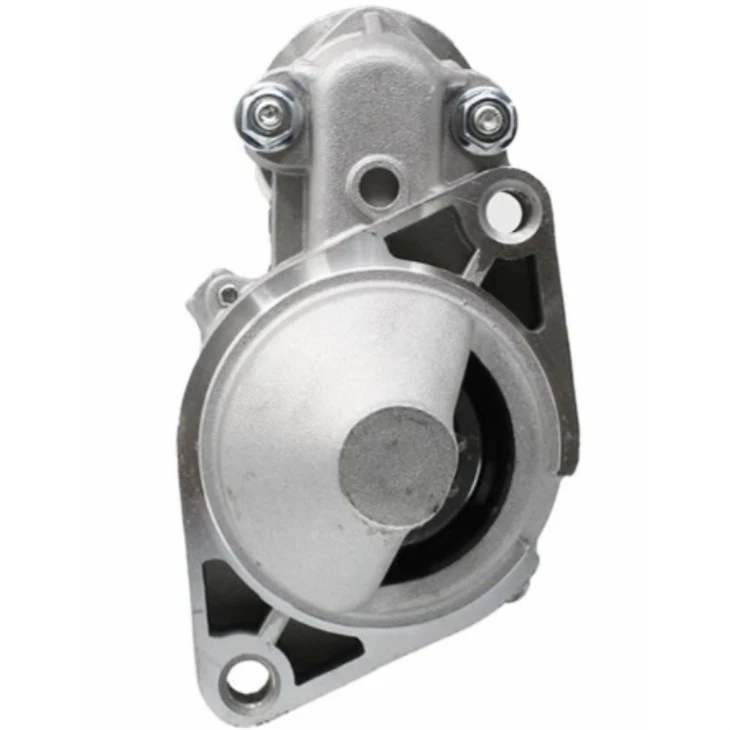
In addition to these performance issues, a loose connection can also cause intermittent starting problems. You might find that the engine starts fine one day, but the next day it won't start at all. This inconsistency can be frustrating and difficult to diagnose. It's often a sign that there's a loose connection somewhere in the system.
So, how can you tell if you have a loose connection? One of the first things you can do is visually inspect the electrical connections. Look for any signs of corrosion, loose wires, or damaged terminals. If you see any issues, you can try tightening the connections or cleaning the terminals. You can use a wire brush to remove any corrosion and then apply a thin layer of dielectric grease to prevent future corrosion.
Another way to check for a loose connection is to use a multimeter. A multimeter can measure the voltage and resistance in the electrical circuit. You can check the voltage at the battery terminals and the starter solenoid to see if there's a significant drop in voltage. If there is, it could indicate a loose connection.
Now, let's talk about some real - world examples. I've had customers come to me with complaints about their Yanmar 4JH starters not working properly. After a thorough inspection, we often find that a loose connection was the root cause. In one case, a customer had a boat with a Yanmar 4JH engine. He was having trouble starting the engine, and it would only start intermittently. When we checked the electrical connections, we found that the battery terminal was loose. After tightening the terminal, the starter worked perfectly.
In another instance, a customer reported that the starter was making a strange noise and the engine was cranking slowly. Upon inspection, we discovered that the wiring harness connection to the starter solenoid was loose. After fixing the connection, the starter performance improved significantly.
As a Yanmar 4JH starter supplier, I always recommend regular maintenance and inspection of the electrical connections. It's a simple and cost - effective way to prevent starter problems. Make sure to check the connections at least once a month, especially if you use your equipment in harsh environments.
Now, I'd like to mention some of the other starters we supply. We have a wide range of starters for different makes and models. For example, we have starters with the Reference Number: Mitsubishi:M008T87271, M2T78071, M8T87271 Mazda:VS1018400B, VS1018400C Application:MAZDA T3500 /T4100. These starters are designed to provide reliable performance for Mitsubishi and Mazda vehicles.
We also have starters like the Reference Number:DENSO:2280008420 Ford:FSTU11000AA KRAUF:STN7802, STN7802NB, STN7802US WAI:17802N, 2 - 2197 - ND Application:FORD E - 350. These are high - quality starters that are suitable for Ford E - 350 vehicles.
And for Honda GXC530 engines, we offer Reference Number:Denso 2280009480, 2280009481 Honda:31200Z0A003, 31200Z0A013 Application:HONDA GXC530. These starters are built to meet the specific requirements of Honda engines.
If you're experiencing any issues with your Yanmar 4JH starter or are interested in our other starter products, don't hesitate to reach out. Whether you need a replacement starter or just some advice on maintenance, we're here to help. Our team of experts has years of experience in the field and can provide you with the best solutions for your needs. So, if you're looking for a reliable starter supplier, look no further. Contact us today to start a conversation about your starter requirements.
References
- Yanmar 4JH Starter Technical Manual
- Electrical Systems in Marine Engines: A Practical Guide
- Automotive Starter Motor Troubleshooting Handbook