

Can Mitsubishi Starter be used in cement industries?
As a supplier of Mitsubishi Starters, I am often asked whether these starters can be effectively used in the cement industry. In this blog post, I will delve into this question, exploring the characteristics of Mitsubishi Starters and the specific requirements of the cement industry to determine their compatibility.
The Cement Industry's Requirements for Starters
The cement industry is a highly demanding industrial sector with specific requirements for electrical equipment, including starters. Cement production involves large - scale machinery such as crushers, mills, and conveyors. These machines typically have high power requirements and need to start and stop under various load conditions.
- High - Power Starting Capability: The crushers and mills in cement plants usually have large motors with high power ratings. A starter must be able to handle the high inrush current during motor startup without damage. For example, a large - scale cement mill motor may require a starter that can withstand inrush currents several times the motor's rated current for a short period.
- Reliability and Durability: Cement production is a continuous process. Any downtime due to starter failure can lead to significant losses in production and increased costs. Therefore, starters used in the cement industry need to be highly reliable and durable, capable of withstanding harsh environmental conditions such as dust, vibration, and high temperatures.
- Precise Control: Precise control of motor starting is crucial in the cement industry. Some processes, like the operation of conveyor belts, require smooth and controlled starting to prevent material spillage and mechanical damage. Starters should be able to provide adjustable starting parameters to meet the specific needs of different machinery.
Characteristics of Mitsubishi Starters
Mitsubishi Starters are well - known for their advanced technology and high - quality performance, which can potentially meet the requirements of the cement industry.
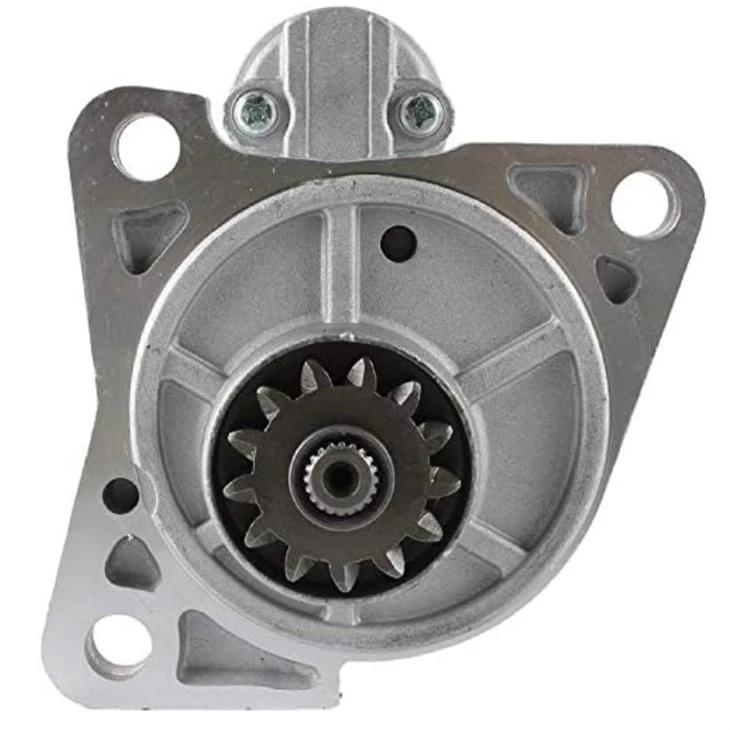
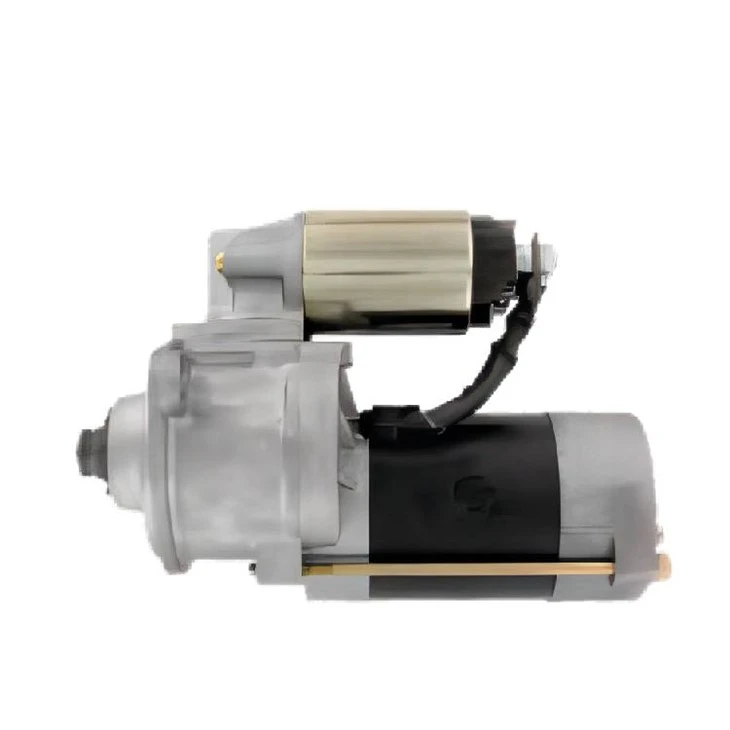
- High - Power Handling Capacity: Mitsubishi offers a wide range of starters with different power ratings. Their starters are designed to handle high inrush currents effectively, ensuring reliable motor starting even for high - power motors used in cement plants. For instance, some of their heavy - duty starters can handle motors with power ratings up to several hundred kilowatts.
- Reliability and Quality: Mitsubishi has a long - standing reputation for manufacturing reliable electrical equipment. Their starters are built with high - quality components and undergo strict quality control during the manufacturing process. They are designed to be resistant to dust, vibration, and temperature variations, which are common in cement production environments.
- Advanced Control Features: Mitsubishi Starters are equipped with advanced control functions. They offer adjustable starting parameters such as starting time, acceleration rate, and current limit. This allows for precise control of motor starting, which is essential for the smooth operation of cement - related machinery.
Mitsubishi Starters in Cement Industry Applications
In practice, Mitsubishi Starters have been successfully used in many cement plants around the world.
- Crusher Applications: Crushers are the first step in the cement production process, breaking large rocks into smaller pieces. Mitsubishi Starters can provide the high - power starting needed for crusher motors. Their reliable performance ensures that crushers can start quickly and operate stably, even under heavy loads.
- Mill Applications: Cement mills are used to grind the crushed materials into fine powder. The large - power motors of mills require starters that can handle high inrush currents and provide smooth starting. Mitsubishi Starters' advanced control features allow for gentle acceleration of mill motors, reducing mechanical stress and extending the service life of the equipment.
- Conveyor Belt Applications: Conveyor belts are used to transport raw materials and finished products within the cement plant. Mitsubishi Starters can provide precise control for conveyor belt motors, ensuring smooth starting and stopping. This helps to prevent material spillage and mechanical wear, improving the overall efficiency of the conveyor system.
Specific Models and Their Applications
Here are some specific Mitsubishi Starter models and their applications:
- Reference Number:Mitsubishi:M2T54172 / M5T10073 / M5T10075 / M5T20171 / M5T20172 / M5T20175 Application:Mitsubishi FFD25 Fork Lift Although the reference application mentions a forklift, these starters may also be suitable for some smaller - scale conveyor systems or auxiliary equipment in cement plants due to their power - handling capabilities and reliable performance.
- Reference Number:Mitsubishi:M008T60272A, M8T60271, ME049186 WAI:19833R Application:Mitsubishi 4D34 These starters can potentially be used in some of the smaller motors in cement plants, such as those in control cabinets or small - scale ventilation systems.
- Reference Number:Mitsubishi:M9T62671 VOLVO:20796052 Application:VOLVO D7E240 While its reference application is related to a Volvo engine, the starter's performance characteristics may make it suitable for some medium - power motors in cement plants, like certain types of crushers or small mills.
Advantages of Using Mitsubishi Starters in the Cement Industry
- Cost - Effectiveness: Despite their high - quality and advanced features, Mitsubishi Starters offer good cost - effectiveness. Their long service life and low failure rate reduce the total cost of ownership in the long run. Fewer maintenance and replacement costs mean that cement plant operators can save money over time.
- Technical Support: Mitsubishi provides comprehensive technical support. Their experienced engineers can offer on - site installation guidance, troubleshooting, and after - sales service. This support is invaluable for cement plant operators, especially when dealing with complex motor starting issues.
Conclusion
In conclusion, Mitsubishi Starters can indeed be used in the cement industry. Their high - power starting capability, reliability, durability, and advanced control features make them well - suited to meet the specific requirements of cement production machinery. Whether it is the high - power motors of crushers and mills or the precise - control needs of conveyor belts, Mitsubishi Starters can provide effective solutions.
If you are in the cement industry and are looking for a reliable starter solution, we encourage you to reach out to us for more information. Our team of experts can help you select the most suitable Mitsubishi Starter for your specific application. Contact us to start a procurement negotiation and take the first step towards improving the efficiency and reliability of your cement production process.
References
- Industry reports on cement production and electrical equipment requirements.
- Mitsubishi Electric's product catalogs and technical documentation.