

Hey there! I'm a supplier of the Kubota D950 starter, and I've been in this business for quite a while. Over the years, I've learned a lot about how different materials can affect the performance of these starters. So, I thought I'd share some of my insights with you.
First off, let's talk about the basic components of a Kubota D950 starter and the materials they're typically made of. The main parts include the motor, solenoid, drive gear, and housing. Each of these parts plays a crucial role in the starter's performance, and the materials used can have a big impact.
Motor Materials
The motor is the heart of the starter. It's responsible for converting electrical energy into mechanical energy to crank the engine. The most common materials used in the motor are copper and iron.
Copper is an excellent conductor of electricity. It has low resistance, which means that less energy is lost as heat when current flows through it. This is important because a more efficient motor will use less power from the battery and generate less heat. Overheating can cause the motor to wear out faster and reduce its lifespan. High - quality copper windings in the motor ensure a smooth and powerful start every time.
Iron, on the other hand, is used for the motor's core. It helps to create a magnetic field when the current flows through the copper windings. The type of iron used matters a lot. Soft iron is often preferred because it can be easily magnetized and demagnetized. This allows the motor to quickly start and stop its operation as needed. If the wrong type of iron is used, the magnetic field might not be strong enough, or it could take longer to build up and collapse, leading to slower starting times.
Solenoid Materials
The solenoid is like a switch that controls the flow of electricity to the motor. It's usually made of a coil of wire (again, often copper) and a metal plunger. The housing of the solenoid is typically made of plastic or metal.
Copper wire in the solenoid coil is essential for creating a strong magnetic field when electricity passes through it. This magnetic field pulls the plunger, which then closes the electrical contacts and allows current to flow to the motor. If the copper wire has a high resistance due to impurities or a small cross - sectional area, the magnetic field might not be strong enough to move the plunger effectively.
The plunger is often made of a ferromagnetic material like iron or steel. These materials are attracted to the magnetic field created by the coil. The quality of the ferromagnetic material affects how quickly and smoothly the plunger moves. If the material is too heavy or has poor magnetic properties, it can cause delays in the starter engaging, resulting in a sluggish start.
As for the solenoid housing, plastic is lightweight and can be molded into complex shapes. It also provides some insulation. However, it might not be as durable as metal in harsh environments. Metal housings, such as aluminum or steel, offer better protection against physical damage and heat. But they can add weight to the starter.
Drive Gear Materials
The drive gear is what meshes with the engine's flywheel to crank the engine. It needs to be strong enough to withstand the high forces involved in starting the engine. Common materials for the drive gear include steel and alloy.
Steel is a popular choice because it's strong and durable. High - carbon steel can handle the impact and stress of engaging with the flywheel without breaking or wearing down quickly. However, steel can be prone to corrosion if not properly protected.
Alloy materials, on the other hand, can offer a combination of strength, lightness, and corrosion resistance. For example, some alloy gears are made with a mix of metals that enhance their performance in different ways. They might be stronger than regular steel while also being lighter, which can improve the overall efficiency of the starter.
Housing Materials
The housing of the Kubota D950 starter protects the internal components from dust, dirt, and moisture. It's typically made of aluminum or plastic.
Aluminum is a great choice for the housing because it's lightweight, yet strong. It also has good heat - dissipating properties. This means that the heat generated by the motor and other components can be quickly transferred to the outside, preventing overheating. Aluminum is also resistant to corrosion, which is important, especially in wet or humid environments.
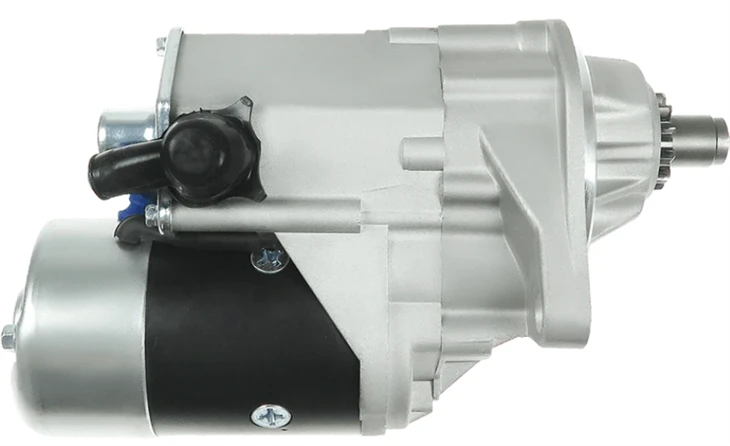

Plastic housings are cheaper and lighter than aluminum. They can be easily molded to fit the shape of the starter's internal components. However, they might not be as strong as aluminum and can crack or break more easily if the starter is dropped or subjected to heavy impacts.
Impact on Overall Performance
The choice of materials for each component of the Kubota D950 starter can have a significant impact on its overall performance. For example, if high - quality materials are used throughout the starter, it will be more reliable, have a longer lifespan, and provide a smoother start.
A starter with a motor made of high - grade copper and soft iron will draw less power from the battery, which is beneficial for the battery's health. It will also start the engine more quickly and with less effort. The solenoid with a well - made copper coil and a high - quality plunger will engage the starter promptly, reducing the time it takes to crank the engine.
The drive gear made of strong and durable materials will not wear out easily, ensuring that it can continue to mesh properly with the flywheel over time. And a housing made of a suitable material will protect the internal components, preventing damage from external factors.
On the other hand, if low - quality materials are used, the starter's performance will suffer. It might have a shorter lifespan, require more maintenance, and provide a less reliable start. For instance, a solenoid with a poor - quality copper coil might not engage the starter consistently, leading to intermittent starting problems.
Real - World Examples
I've seen firsthand how different materials can affect the performance of the Kubota D950 starter. I once had a customer who was having trouble with their starter. After inspecting it, we found that the drive gear was made of a low - grade steel that had started to wear down quickly. The gear teeth were chipped, which made it difficult for the starter to engage with the flywheel properly. We replaced the drive gear with a high - quality alloy one, and the starter started working like a charm again.
Another time, a customer's starter was overheating. It turned out that the motor windings were made of copper with a relatively high resistance. We replaced the motor with one that had high - quality copper windings, and the overheating problem was solved.
Related Starters and Reference Numbers
If you're interested in other starters, here are some reference numbers and applications that you might find useful. Reference Number:SAWAFUJI:03506020330 KRAUF:STN9060, STN9060WD AS:S6101 Application:NISSAN PD6 and Reference Number:DENSO:2280004241, 4280000890, 4280000891 Isuzu:1811002990,1811003110,1811003240,1811003493,1811004172,1811004261,8943941511,8976021691,8980608540,8981412063 Application:ISUZU 6HE1 6hk1. Also, check out Denso 0280005800, 128000072, 1280000720, 1280000721 TK 451251, 45904 THERMO KING KD - I 1985 - Daihatsu Diesel 1.4KW.
Wrapping Up
In conclusion, the materials used in the Kubota D950 starter have a huge impact on its performance. As a supplier, I always make sure to source high - quality materials for the starters I offer. This ensures that my customers get a reliable and long - lasting product.
If you're in the market for a Kubota D950 starter or have any questions about how materials affect starter performance, don't hesitate to reach out. We can have a chat and find the best solution for your needs. Whether you're a mechanic, a Kubota equipment owner, or involved in the automotive industry, I'm here to help you make the right choice. So, let's start a conversation and get you the starter that fits your requirements!
References
- Automotive Starter Motor Handbook
- Kubota D950 Starter Technical Manual