

As a supplier specializing in Yanmar 4JH starters, I've spent years working with these durable marine and industrial engines, and one of the most critical maintenance steps for reliable operation is checking the electrical isolation of the starter. Poor isolation doesn't just cause starting issues-it can lead to current leaks, damaged wiring, or even safety hazards, especially in environments where Yanmar engines power boats, generators, or heavy machinery. Over the years, I've helped countless customers troubleshoot starter problems, and testing isolation is one of the first checks I recommend when a Yanmar 4JH engine is acting up. This guide will walk you through how to do it correctly, with tips tailored specifically to Yanmar 4JH starters, plus context from my work as a trusted starter supplier.
First, it's important to understand what electrical isolation means for a Yanmar 4JH starter. The starter's main body is typically made of metal (cast iron or aluminum) and is bolted directly to the engine's transmission housing or cylinder block-parts that are grounded to the engine's negative battery terminal. The starter has two key electrical circuits: the high-power circuit (which carries the 12V current from the battery to turn the starter motor's armature) and the control circuit (which is activated by the ignition switch or starter relay to engage the motor). Electrical isolation means that these circuits are separated from the starter's grounded metal body. If insulation breaks down, current can leak from the high-power or control circuits to the starter body, causing a short circuit, draining the battery, or preventing the starter from engaging properly.
For Yanmar 4JH starters, this isolation is tested with a multimeter-one of the most accessible and reliable tools for the job. But before you grab your meter, safety is non-negotiable. Always disconnect the battery's negative (-) terminal first to avoid accidental current flow, which can shock you or damage the multimeter or starter. Make sure the engine is cool, and disconnect any wiring harnesses attached to the starter (the main power cable from the battery and the smaller control wire for the solenoid). Once the starter is disconnected from the engine (you can leave it on the mounting bolts for easier access, but ensure it's not touching any grounded metal parts), you're ready to test.
The first test checks the isolation of the main power circuit. Set your multimeter to the highest resistance (Ohms) setting-usually the "MΩ" or 200MΩ range, which measures very high resistance, perfect for checking insulation. Touch one multimeter probe to the starter's metal body (a clean, unpainted section where it bolts to the engine-paint can insulate falsely, so sand a small area if needed). Touch the other probe to the main power terminal on the starter, the big bolt where the battery cable connects. A good reading here should be in the millions of Ohms (50MΩ or higher)-any reading below 2MΩ means there's significant insulation damage, and the starter needs to be replaced. In my experience as a starter supplier, I see many Yanmar 4JH starters fail this test because the insulation around the power terminal wears out from heat over time, common in engines that run continuously for long periods.
Next, test the control circuit isolation. The control wire connects to the starter's solenoid terminal, a smaller bolt or spade connector on the side of the starter. Keep one probe on the starter's metal body, and touch the other probe to the solenoid control terminal. Again, a reading of 50MΩ or higher is ideal. If this reading is low, the solenoid's internal insulation is compromised-this is often caused by water intrusion, especially in marine applications where Yanmar engines are exposed to salt spray or splashing water. Water can break down the insulation between the control circuit and the grounded starter body, leading to the solenoid staying engaged even after you release the ignition switch, which drains the battery and can burn out the starter motor.
It's worth noting that the Yanmar 4JH starter is compatible with many other high-quality starter models too, which is why I always keep a stock of reliable alternatives for customers looking for replacements. For example, when customers need a direct fit for Yanmar 4JH, I often source alternatives from trusted brands like Denso, which offers a range of starters that cross-reference perfectly. If you're looking for replacement starters, you'll find popular options like 136959,2506959,HST1341D,S13-41,S13-41A, as well as LISTER part numbers 757-17970 and 757-26450, all designed to fit Yanmar 4JH engines and meet strict performance standards. To explore these compatible models and reference numbers, you can check our product page at [https://www.she-star.com/starter/hitachi-starter/reference-number-hitachi-136959-2506959.html] to see detailed specs and application info.
Sometimes, the starter isn't the only part causing isolation issues-faulty wiring or relay can also lead to low isolation readings, so it's important to rule out other components. If you test the starter and get a low reading, disconnect all wiring from it and test it again. If the reading is still low, the starter is definitely the problem. If the reading improves, trace the wiring harness back to the battery and relay, looking for frayed insulation or exposed wires that could be touching the engine block. This is a common issue in older Yanmar engines, where wiring rubs against sharp edges of the engine compartment over time.
Another tip from my years as a starter supplier: never skip this test even if the starter is turning over slowly. Many customers assume a slow cranking starter is just worn out, but low isolation can cause the starter to draw more current than it needs, overheating the motor and wearing out components faster. I've seen Yanmar 4JH starters that worked fine for years develop a small leak that only shows up on isolation tests-if you catch it early, you can replace the starter before it leaves you stranded on the water or with a dead generator.
When you do need to replace a faulty Yanmar 4JH starter, it's important to choose a reliable supplier that offers cross-reference options and quality parts. For example, if your Yanmar 4JH requires a solenoid-equipped starter, you might come across reference numbers like DENSO:DSN1371, 228000-2633, and many more, which are compatible with a range of applications beyond Yanmar. You can find detailed cross-reference info for these parts on our reference number page at [https://www.she-star.com/starter/denso-starter/reference-number-denso-dsn1371-228000-2633.html Application:TOYOTA 2KD-FTV/1KD-FTV]-this helps you find the exact replacement that fits your engine and works with existing wiring.
Isolation testing also helps prevent common starter failures in Yanmar engines, which are often used in harsh conditions. For example, marine Yanmar 4JH starters are exposed to salt, moisture, and vibration, all of which can break down insulation over time. Briggs Stratton 691564, 846451 and John Deere M143512 starters are designed to handle similar harsh environments, and many customers who use these for Yanmar applications report excellent durability, especially since they're built with heavy-duty insulation. You can learn more about these durable models on our Briggs Stratton and John Deere product page at [Briggs Stratton 691564,846451 John Deere M143512 Lester 5776 Wai 5776N Briggs & Stratton Engine 303447 JOHN DEERE LT170].
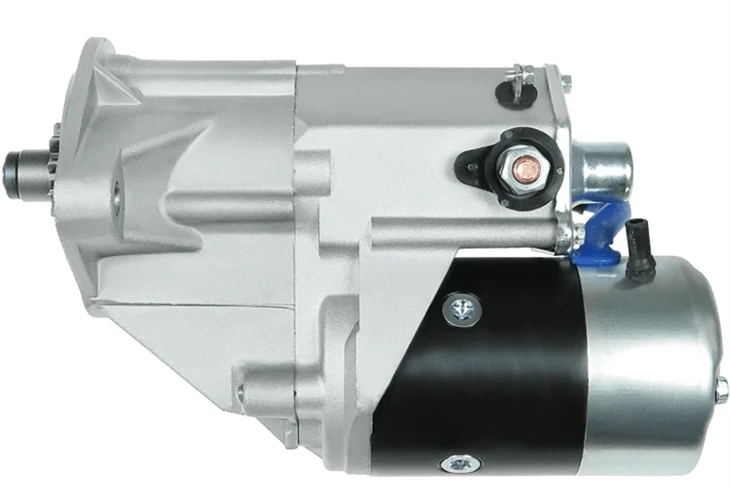

Once you've replaced a starter or confirmed isolation is good, it's a good practice to test the starter under load to make sure it works properly. Reconnect the battery, hook up the main power cable and control wire, and turn the ignition switch to start. The starter should engage smoothly, turn the engine over at a consistent speed, and not make any grinding or clicking noises. If it struggles to turn over even after a passing isolation test, double-check the battery voltage-weak batteries can mimic starter issues, but a good isolation test rules out the starter as the problem.
Another important point: proper installation is key to maintaining isolation. When bolting a new starter to the Yanmar 4JH, make sure the mounting surface is clean and free of paint, rust, or debris that could create a poor grounding connection. A good ground ensures that any stray current has a safe path to the battery's negative terminal, reducing the chance of current leaking into the starter's circuits. If you're not comfortable installing the starter yourself, most marine or industrial mechanics can do it in about an hour, and it's well worth the investment to avoid future issues.
For customers looking for long-term solutions, I also keep a stock of other compatible starters that work well for Yanmar applications, like those listed in reference numbers Denso:1280008280, 1280008620, 1280008621, and more, which are designed for Toyota 1HZ and 1HD-FT engines but fit many Yanmar models with minor adjustments. You can see the full details on these cross-referenced starters at our reference number page at [Reference Number:DENSO:1280008280, 1280008620, 1280008621, 2280001600, 2280001601, DSR1013 Toyota:2810017020, 2810017030, 281001703084 WAI :32893N Application:Toyota 1HZ 1HD-FT]. These parts are all tested for quality, so you can trust they'll work reliably in Yanmar 4JH engines.
As a starter supplier, I've seen firsthand how often simple maintenance like isolation testing can prevent big problems. Yanmar 4JH engines are built to last, but their starters need regular checks to keep them running smoothly. If you test the isolation regularly (once a year, or every time you perform engine maintenance), you can catch issues early and avoid the hassle of a broken starter mid-job. If you do need a replacement starter, our team can help you find the right part-whether it's a direct Yanmar 4JH starter or a cross-referenced model that fits your engine and budget. We offer a wide range of starters compatible with Yanmar, marine, and industrial applications, with fast shipping and reliable customer support to get you back up and running quickly.
If you're in need of a Yanmar 4JH starter, or have questions about isolation testing for your existing starter, don't hesitate to reach out to our team for procurement support. We're here to help you find the right parts and guide you through any maintenance or replacement steps to keep your Yanmar engine operating at its best.
References
- Yanmar Marine Engine Service Manual: Starter and Electrical System Maintenance
- Denso Starter Technical Guide: Isolation Testing Procedures for Automotive and Marine Applications
- John Deere and Briggs Stratton Starter Compatibility Cross-Reference Database
- Industrial Starter Maintenance Handbook: Electrical Isolation Testing Guidelines