

Troubleshooting a pre - engaged starter can be a daunting task, but with the right knowledge and approach, it can be efficiently resolved. As a starter supplier, I've encountered numerous issues related to pre - engaged starters over the years. In this blog, I'll guide you through the process of troubleshooting these starters step by step.
Understanding the Pre - Engaged Starter
Before diving into troubleshooting, it's essential to understand how a pre - engaged starter works. A pre - engaged starter is designed to engage the starter motor's pinion gear with the flywheel ring gear before the motor starts to turn. This mechanism reduces wear and tear on the gears and ensures a smooth starting process. The key components of a pre - engaged starter include the solenoid, the starter motor, the pinion gear, and the drive assembly.
Common Symptoms of Starter Problems
The first step in troubleshooting is to identify the symptoms. Here are some common signs that your pre - engaged starter may be malfunctioning:
No Crank
When you turn the ignition key, and there is no sound or movement from the starter, it's a clear indication of a problem. This could be due to a dead battery, a faulty solenoid, or a broken starter motor.
Slow Crank
If the engine cranks slowly, it may be because of a weak battery, corroded battery terminals, or excessive resistance in the starter circuit.
Grinding Noise
A grinding noise during starting is often a sign that the pinion gear is not engaging properly with the flywheel ring gear. This could be caused by a worn - out pinion gear, a misaligned drive assembly, or a faulty solenoid.
Starter Keeps Running
If the starter continues to run even after the engine has started, it's a serious issue. This could be due to a stuck solenoid or a problem with the ignition switch.
Step - by - Step Troubleshooting Process
Check the Battery
The battery is the power source for the starter. Start by checking the battery voltage with a multimeter. A fully charged battery should read around 12.6 volts. If the voltage is low, recharge or replace the battery. Also, inspect the battery terminals for corrosion. Corroded terminals can cause poor electrical connections, leading to starter problems. Clean the terminals with a wire brush and apply a terminal protector to prevent future corrosion.
Inspect the Solenoid
The solenoid is responsible for engaging the pinion gear and supplying power to the starter motor. To test the solenoid, you can use a jumper wire to bypass the ignition switch. Connect one end of the jumper wire to the battery positive terminal and the other end to the solenoid's "S" terminal. If the starter engages, the solenoid is working correctly. If not, the solenoid may be faulty and needs to be replaced.
Examine the Starter Motor
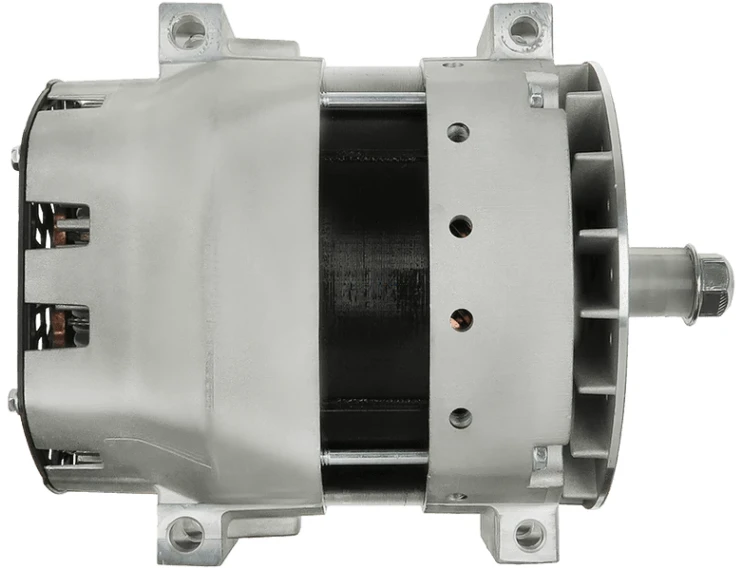
The starter motor is the heart of the starter system. To check if the starter motor is working, you can perform a bench test. Remove the starter from the vehicle and connect it directly to a battery using heavy - gauge jumper cables. If the motor spins freely, it's likely in good condition. However, if it doesn't spin or makes a strange noise, the motor may be damaged and needs to be repaired or replaced.

Check the Pinion Gear and Drive Assembly
Inspect the pinion gear for signs of wear and damage. A worn - out pinion gear may not engage properly with the flywheel ring gear. Also, check the drive assembly for proper alignment. If the drive assembly is misaligned, it can cause the pinion gear to engage at an angle, leading to grinding noises.
Inspect the Starter Circuit
Examine the starter circuit for any signs of damage or excessive resistance. Check the wiring harness for frayed wires, loose connections, or broken insulation. Use a multimeter to measure the resistance in the circuit. If the resistance is too high, it can cause voltage drops and affect the performance of the starter.
Reference Numbers for Starters
When looking for replacement starters, it's important to have the correct reference numbers. We offer a wide range of starters, including those with the following reference numbers:
- Reference Number:Delco 100 - 18111 KRAUF ALZ4317ML
- Reference Number:Delco Remy 61006080, 61006081, 8600557, 8600580, 8600581, 8600635 KOMATSU XA2019 XA2085 XA33198 XA4405 Application:MCI D4000 [ISL9][ISX12G] Prevost H3 - 41 [D13]
These starters are designed to meet the highest quality standards and are suitable for a variety of applications.
Contact Us for Starter Solutions
If you're experiencing starter problems or need a replacement starter, we're here to help. As a leading starter supplier, we have a vast inventory of high - quality starters and the expertise to assist you. Whether you're a professional mechanic or a DIY enthusiast, we can provide you with the right starter for your needs. Contact us to discuss your requirements and get a competitive quote. Our team of experts is ready to answer your questions and guide you through the purchasing process.
References
- Automotive Starter System Manuals
- Technical Bulletins from Starter Manufacturers
- Industry - related Magazines and Publications