

As a trusted supplier of VALEO Starters, I'm excited to delve into the electrical connections of these remarkable components. Understanding the electrical connections of a VALEO Starter is crucial for ensuring optimal performance, reliability, and safety in various automotive and industrial applications. In this blog post, I'll explore the key electrical connections of a VALEO Starter, their functions, and how they contribute to the overall operation of the starter motor.
The Basics of a VALEO Starter
Before we dive into the electrical connections, let's briefly review the basic components and operation of a VALEO Starter. A starter motor is an electric motor that is used to crank the engine and start the vehicle. When the ignition key is turned, an electrical signal is sent to the starter solenoid, which engages the starter motor and causes it to rotate. The starter motor then uses a small gear, called a pinion gear, to engage the flywheel or flexplate of the engine, which turns the engine over and starts the combustion process.
Key Electrical Connections
Battery Connection
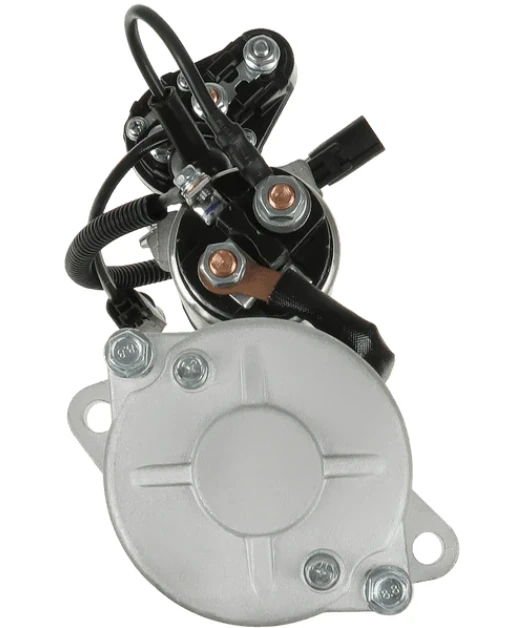
The battery connection is one of the most important electrical connections in a VALEO Starter. The battery provides the electrical power needed to operate the starter motor. A thick cable, typically made of copper, connects the positive terminal of the battery to the starter motor. This cable is designed to carry a large amount of current, as the starter motor requires a significant amount of power to crank the engine.

The negative terminal of the battery is usually connected to the vehicle's chassis or engine block, which serves as a ground connection. This completes the electrical circuit and allows the current to flow through the starter motor.
Starter Solenoid Connection
The starter solenoid is an electromagnetic switch that is responsible for engaging the starter motor and connecting it to the battery. The solenoid is typically mounted on the starter motor and is connected to the ignition switch and the battery.
When the ignition key is turned, an electrical signal is sent from the ignition switch to the solenoid. This signal energizes the solenoid coil, which creates a magnetic field. The magnetic field pulls a plunger inside the solenoid, which closes a set of contacts. These contacts connect the battery to the starter motor, allowing current to flow and the motor to start rotating.
Ignition Switch Connection
The ignition switch is the user interface that allows the driver to start the vehicle. When the ignition key is turned to the "Start" position, the ignition switch sends an electrical signal to the starter solenoid. This signal activates the solenoid and engages the starter motor.
The ignition switch is typically connected to the solenoid using a smaller gauge wire. This wire is designed to carry a lower current, as it only needs to send a signal to the solenoid, not power the starter motor.
Ground Connection
A proper ground connection is essential for the safe and efficient operation of a VALEO Starter. The ground connection provides a path for the electrical current to return to the battery after it has passed through the starter motor.
The starter motor is usually grounded to the vehicle's chassis or engine block. This is typically done using a ground strap or a grounding wire. A good ground connection helps to ensure that the starter motor receives the proper voltage and current, which is necessary for it to operate effectively.
Applications and Reference Numbers
VALEO Starters are used in a wide range of applications, including automotive, industrial, and marine. Here are some specific reference numbers and applications for VALEO Starters:
- Reference Number:Daewoo 300516-00034A 30051600034A 1200952 Application:valeo starter motor Daewoo Doosan Engine D24 Excavator DX60-9 DX60
- Reference Number:Valeo:1250433, 600256, S0001250433 ZAUFER 300N10132Z Hyundai:3610045700 Application:valeo starter motor D4DA/B/C
- Reference Number:Mitsubishi:M008T61671, M008T63471, M8T61671, M8T61671AM, M8T63471 Iveco:2995138, 42498714, 504025884, 5802121827, 99432760 Application:IVECO F2BE0681
Importance of Proper Electrical Connections
Proper electrical connections are crucial for the performance and reliability of a VALEO Starter. Loose or corroded connections can cause a variety of problems, including:
- Reduced Starting Power: Loose connections can result in a voltage drop, which reduces the amount of power available to the starter motor. This can make it difficult or impossible to start the engine.
- Overheating: Corroded connections can increase the resistance in the electrical circuit, which can cause the starter motor to overheat. Overheating can damage the starter motor and other components in the vehicle.
- Intermittent Starting Issues: Loose or corroded connections can cause intermittent starting problems, where the engine may start sometimes but not others. This can be frustrating and difficult to diagnose.
To ensure the proper operation of a VALEO Starter, it's important to regularly inspect the electrical connections for signs of wear, corrosion, or looseness. Any damaged or worn connections should be repaired or replaced immediately.
Contact Us for Your VALEO Starter Needs
If you're in the market for a high-quality VALEO Starter, look no further. As a leading supplier of VALEO Starters, we offer a wide range of products to meet your specific needs. Whether you're looking for a starter for your automotive, industrial, or marine application, we have the expertise and inventory to provide you with the right solution.

We understand the importance of reliable and efficient starters, and we're committed to providing our customers with the best products and services. Our team of experts is available to answer your questions, provide technical support, and help you find the right starter for your application.
Contact us today to discuss your VALEO Starter requirements and let us help you keep your engines running smoothly.
References
- VALEO Starter Technical Manuals
- Automotive Electrical Systems Textbooks
- Industry Standards and Guidelines for Starter Motors