

Lawn mowers are essential tools for maintaining a well - groomed lawn. At the heart of a lawn mower's starting mechanism lies the starter, a crucial component that initiates the engine's operation. As a starter supplier, I've witnessed firsthand the various problems that can plague lawn mower starters. In this blog, I'll delve into the common issues, their causes, and potential solutions.
Electrical Connection Problems
One of the most frequent problems with lawn mower starters is related to electrical connections. A poor electrical connection can prevent the starter from receiving the necessary power to engage the engine. This often happens due to corrosion, loose wires, or damaged connectors.
Corrosion is a common culprit, especially in areas with high humidity or when the lawn mower is exposed to moisture. Over time, the metal parts of the electrical connections can rust, creating a barrier that inhibits the flow of electricity. Loose wires can also be a result of vibrations during the mower's operation. The continuous shaking can cause wires to come loose from their terminals, disrupting the electrical circuit.
To address these issues, regular inspection of the electrical connections is essential. If corrosion is present, it can be removed using a wire brush and a solution of baking soda and water. After cleaning, applying a thin layer of dielectric grease can help prevent future corrosion. For loose wires, they should be securely tightened to their terminals. If a connector is damaged, it may need to be replaced.
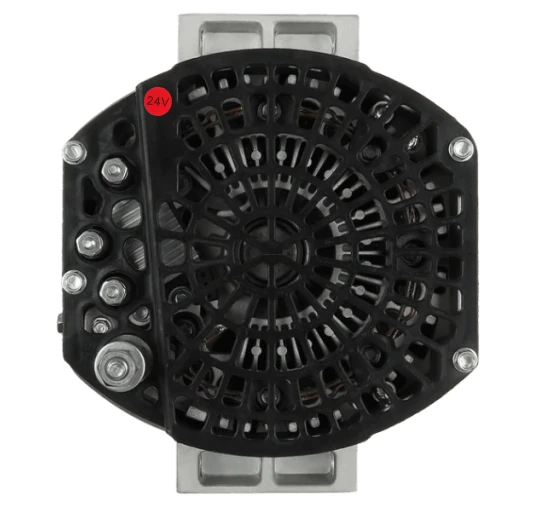

Starter Motor Failure
The starter motor is the core of the starting system, and its failure can render the lawn mower inoperable. There are several reasons why a starter motor might fail. One common cause is excessive wear and tear. The starter motor contains moving parts, such as gears and brushes, which can wear out over time with regular use.
Another factor is overheating. If the starter motor is used for extended periods or if there are problems with the electrical system that cause it to draw too much current, it can overheat. Overheating can damage the internal components of the motor, leading to failure.
When a starter motor fails, it may exhibit symptoms such as a clicking sound when the ignition is turned, or the motor may not engage at all. In some cases, the motor may spin but not turn the engine over. If you suspect a starter motor failure, it's best to have it tested by a professional. In many cases, the starter motor may need to be replaced. As a starter supplier, we offer a wide range of high - quality starter motors that are designed to fit various lawn mower models. For example, we have starters with Reference Number:Delco 100 - 18111 KRAUF ALZ4317ML which are suitable for specific lawn mower applications.
Solenoid Issues
The solenoid is an electromagnetic switch that controls the flow of electricity to the starter motor. It plays a vital role in engaging the starter motor when the ignition key is turned. Solenoid problems can occur due to several reasons.
One common issue is a faulty solenoid coil. The coil can become damaged over time, either due to electrical shorts or overheating. A damaged coil may prevent the solenoid from engaging properly, resulting in the starter motor not receiving power. Another problem can be a stuck plunger. The plunger inside the solenoid is responsible for making the electrical connection. If it gets stuck, the solenoid will not function correctly.
Symptoms of a solenoid problem include a clicking sound when the ignition is turned, but the starter motor does not engage. To diagnose a solenoid issue, a multimeter can be used to test the electrical continuity of the solenoid coil. If the coil is faulty, the solenoid will need to be replaced. We supply solenoids that are compatible with different lawn mower starters, such as those with Reference Number:Delco Remy 61006080, 61006081, 8600557, 8600580, 8600581, 8600635 KOMATSU XA2019 XA2085 XA33198 XA4405 Application:MCI D4000 [ISL9][ISX12G] Prevost H3 - 41 [D13].
Flywheel and Bendix Gear Problems
The flywheel and the Bendix gear work together to transfer the rotational force from the starter motor to the engine. The Bendix gear is a small gear that engages with the teeth on the flywheel when the starter motor is activated.
Problems can occur if the teeth on the flywheel or the Bendix gear are worn or damaged. Worn teeth can prevent the Bendix gear from properly engaging with the flywheel, resulting in a grinding noise when the starter is turned. This can happen due to normal wear and tear, or if the starter motor engages at the wrong time.
In some cases, the Bendix gear may also fail to disengage after the engine has started. This can cause the starter motor to continue running even when the engine is running, which can lead to further damage. To fix these issues, the damaged parts may need to be replaced. Regular inspection of the flywheel and Bendix gear can help detect problems early and prevent more serious damage.
Battery - Related Problems
A weak or dead battery can also cause problems with the lawn mower starter. The battery provides the initial power needed to start the engine. If the battery is not fully charged or is nearing the end of its lifespan, it may not be able to supply enough power to the starter.
Battery problems can be caused by several factors. One is improper charging. If the lawn mower's charging system is not working correctly, the battery may not be charged properly. Another factor is leaving the battery in a discharged state for an extended period, which can lead to sulfation. Sulfation occurs when lead sulfate crystals form on the battery plates, reducing the battery's capacity.
To ensure the battery is in good condition, it should be regularly checked and charged. A battery charger can be used to maintain the battery's charge. If the battery is old or damaged, it may need to be replaced.
Ignition Switch Malfunction
The ignition switch is the component that allows the operator to turn the lawn mower on and off. A malfunctioning ignition switch can prevent the starter from receiving the signal to engage. This can be due to internal damage, such as worn contacts or a broken switch mechanism.
If the ignition switch fails, the starter may not respond when the key is turned. In some cases, the switch may get stuck in the "on" or "off" position. To diagnose an ignition switch problem, a professional may use a test light or a multimeter to check the electrical continuity of the switch. If the switch is faulty, it should be replaced.
Conclusion
As a starter supplier, I understand the importance of a reliable starting system for lawn mowers. The problems with lawn mower starters can range from simple electrical connection issues to more complex motor or solenoid failures. By being aware of these common problems and taking preventive measures, such as regular maintenance and inspection, lawn mower owners can keep their starting systems in good working condition.
If you're experiencing problems with your lawn mower starter or are in need of a replacement starter, we're here to help. Our wide range of starters and related components are designed to meet the needs of different lawn mower models. Whether you need a starter motor, solenoid, or other parts, we can provide you with high - quality products. Contact us to discuss your requirements and start a procurement negotiation.
References
- Lawn Mower Maintenance Manuals
- Automotive Electrical Systems Textbooks
- Industry Reports on Small Engine Starting Systems