

As a seasoned starter supplier, I've witnessed firsthand the pivotal role that starter cables play in the proper functioning of a vehicle's starting system. A faulty starter cable can lead to a myriad of issues, from minor inconveniences to major breakdowns. In this blog post, I'll delve into the signs of a bad starter cable, empowering you to identify and address potential problems before they escalate.
1. Difficulty Starting the Engine
One of the most common signs of a bad starter cable is difficulty starting the engine. If you turn the key in the ignition and the engine cranks slowly or fails to start altogether, it could be due to a faulty starter cable. A damaged cable can impede the flow of electricity from the battery to the starter motor, preventing it from receiving the necessary power to start the engine.
When the starter cable is in poor condition, the electrical resistance within the cable increases. This increased resistance restricts the amount of current that can flow through the cable, resulting in a weakened electrical signal reaching the starter motor. As a result, the starter motor may struggle to turn over the engine, causing slow cranking or a complete failure to start.
2. Grinding or Clicking Noises
Another telltale sign of a bad starter cable is the presence of grinding or clicking noises when you attempt to start the engine. These noises can indicate a problem with the starter motor or the connection between the starter cable and the starter motor.
A grinding noise typically occurs when the starter motor's gear fails to engage properly with the engine's flywheel. This can happen if the starter cable is loose or damaged, preventing the starter motor from receiving the correct amount of power to engage the gear smoothly. On the other hand, a clicking noise may suggest that the starter solenoid, which is responsible for engaging the starter motor, is not functioning correctly. A faulty starter cable can disrupt the electrical connection to the solenoid, causing it to click without engaging the starter motor.
3. Burning Smell
A burning smell is a serious indication of a problem with the starter cable. If you notice a distinct burning odor when you try to start the engine, it could be a sign that the cable is overheating due to excessive electrical resistance. Overheating can occur when the cable is damaged, frayed, or corroded, causing it to draw more current than it can handle.
When the starter cable overheats, the insulation around the cable can melt, releasing a burning smell. This not only poses a fire hazard but also indicates that the cable is on the verge of failure. If you detect a burning smell, it's crucial to stop attempting to start the engine immediately and have the starter cable inspected and replaced by a professional.
4. Corrosion or Damage
Visible signs of corrosion or damage on the starter cable are clear indicators of a problem. Corrosion can occur when the cable is exposed to moisture, salt, or other corrosive substances, causing the metal to break down and form a layer of rust or oxidation. This corrosion can increase the electrical resistance within the cable, reducing its efficiency and potentially leading to failure.
In addition to corrosion, physical damage such as cuts, frays, or breaks in the cable can also compromise its integrity. These damages can occur due to wear and tear, improper installation, or external factors such as rodents chewing on the cable. If you notice any signs of corrosion or damage on the starter cable, it's important to replace it as soon as possible to prevent further issues.
5. Dim or Flickering Lights
A bad starter cable can also affect the electrical system of your vehicle, causing the lights to dim or flicker when you attempt to start the engine. This is because the increased electrical resistance in the starter cable can draw power away from other electrical components, including the lights.

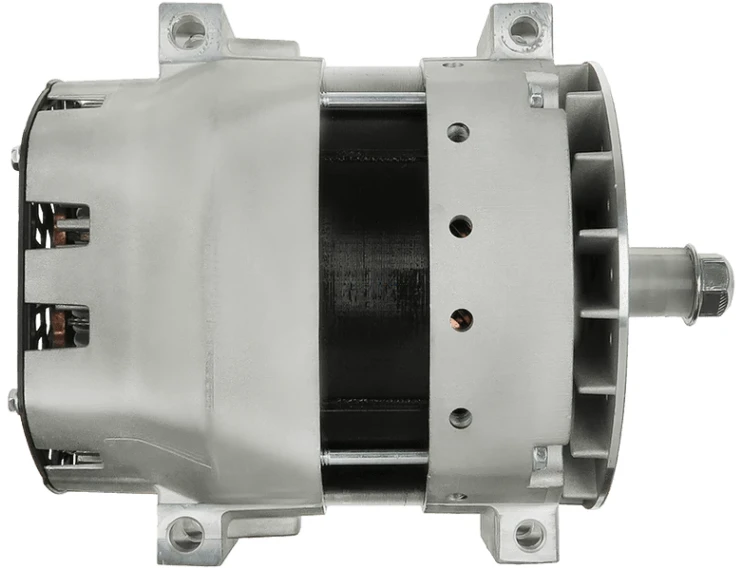
When the starter motor requires a large amount of power to start the engine, a faulty starter cable may not be able to supply enough current to both the starter motor and the lights. As a result, the lights may dim or flicker, indicating a problem with the electrical supply. If you experience this issue, it's advisable to have the starter cable checked to ensure that it's functioning properly.
Reference Numbers for Quality Starters
At our company, we offer a wide range of high-quality starters, including those with specific reference numbers that are known for their reliability and performance. For instance, you can check out our starters with the Reference Number:Delco 100-18111 KRAUF ALZ4317ML. These starters are designed to meet the highest standards and are suitable for various applications.
Another set of popular starters in our inventory are those with the Reference Number:Delco Remy 61006080, 61006081, 8600557, 8600580, 8600581, 8600635 KOMATSU XA2019 XA2085 XA33198 XA4405 Application:MCI D4000 [ISL9][ISX12G] Prevost H3-41 [D13]. These starters are engineered to provide optimal performance and durability, making them a great choice for your vehicle.
Conclusion
Recognizing the signs of a bad starter cable is essential for maintaining the reliability and performance of your vehicle. By being aware of these signs, you can take proactive steps to address any issues before they cause significant damage or leave you stranded. If you suspect that your starter cable is faulty, it's important to have it inspected and replaced by a qualified mechanic.
As a trusted starter supplier, we are committed to providing our customers with high-quality starters and reliable service. If you're in the market for a new starter or have any questions about starter cables, we encourage you to reach out to us for a procurement discussion. Our team of experts is ready to assist you in finding the right starter for your vehicle and ensuring that it meets your specific needs.
References
- "Automotive Electrical Systems" by Robert N. Brady
- "Vehicle Maintenance and Repair Manual" by Haynes Publishing Group