

As a seasoned starter supplier, I've witnessed firsthand the pivotal role that starter solenoids play in the automotive and industrial sectors. In this blog post, I'll delve into the function of a starter solenoid, its importance, and how it impacts the overall performance of your vehicles or machinery.
Understanding the Basics of a Starter Solenoid
Before we dive into the function of a starter solenoid, let's first understand what it is. A starter solenoid is an electromagnetic switch that plays a crucial role in the starting system of an engine. It is typically mounted on the starter motor or in close proximity to it. The solenoid is designed to engage the starter motor with the engine's flywheel and to supply electrical power to the starter motor.
The Function of a Starter Solenoid
The primary function of a starter solenoid can be broken down into two main actions: electrical and mechanical.
Electrical Function
When you turn the ignition key, a small electrical current is sent from the battery to the starter solenoid. This current activates the solenoid's electromagnet, which in turn closes a set of heavy-duty contacts inside the solenoid. These contacts act as a switch, allowing a large amount of electrical current to flow from the battery to the starter motor. This high current is necessary to power the starter motor and enable it to crank the engine.
The electrical function of the starter solenoid is essential because the starter motor requires a significant amount of power to turn the engine over. Without the solenoid, the ignition switch would have to handle this high current, which could lead to damage to the switch and other electrical components. The solenoid acts as a relay, protecting the ignition switch and ensuring that the starter motor receives the necessary power.
Mechanical Function
In addition to its electrical function, the starter solenoid also performs a mechanical function. When the electromagnet inside the solenoid is activated, it pulls a plunger or lever. This movement is transferred to a shift fork, which engages the starter motor's pinion gear with the engine's flywheel. The pinion gear is a small gear that meshes with the larger teeth on the flywheel. Once engaged, the starter motor can turn the flywheel, which in turn rotates the engine's crankshaft and starts the engine.
The mechanical function of the starter solenoid is crucial for ensuring that the starter motor and the engine's flywheel are properly engaged. If the pinion gear does not engage correctly with the flywheel, the starter motor will not be able to turn the engine over, and the engine will not start.
Importance of a Starter Solenoid
The starter solenoid is a critical component in the starting system of an engine. Without it, the engine would not be able to start. Here are some of the key reasons why the starter solenoid is so important:
- Power Delivery: The solenoid allows a large amount of electrical current to flow from the battery to the starter motor. This high current is necessary to power the starter motor and enable it to crank the engine.
- Switching Function: The solenoid acts as a switch, controlling the flow of electrical current to the starter motor. This protects the ignition switch and other electrical components from damage.
- Gear Engagement: The solenoid ensures that the starter motor's pinion gear is properly engaged with the engine's flywheel. This allows the starter motor to turn the flywheel and start the engine.
Common Issues with Starter Solenoids
Like any other component in a vehicle or machinery, starter solenoids can experience problems over time. Some of the common issues with starter solenoids include:
- Electrical Problems: The solenoid's electromagnet can fail, preventing it from closing the contacts and allowing current to flow to the starter motor. This can be caused by a faulty coil, a broken wire, or a problem with the electrical connections.
- Mechanical Problems: The plunger or lever inside the solenoid can become stuck or damaged, preventing it from engaging the starter motor's pinion gear with the engine's flywheel. This can be caused by wear and tear, dirt, or corrosion.
- Contact Wear: The heavy-duty contacts inside the solenoid can wear out over time, leading to poor electrical conductivity and difficulty starting the engine.
If you experience any problems with your starter solenoid, it is important to have it inspected and repaired or replaced as soon as possible. Ignoring these issues can lead to more serious problems and may prevent your engine from starting.
Our Starter Solenoid Products
As a starter supplier, we offer a wide range of high-quality starter solenoids for various applications. Our products are designed to meet the strictest industry standards and are built to last. We have a team of experienced engineers and technicians who are dedicated to providing the best possible products and services to our customers.
Some of our popular starter solenoid products include those with the following reference numbers:
- Reference Number:Delco 100-18111 KRAUF ALZ4317ML
- Reference Number:Delco Remy 61006080, 61006081, 8600557, 8600580, 8600581, 8600635 KOMATSU XA2019 XA2085 XA33198 XA4405 Application:MCI D4000 [ISL9][ISX12G] Prevost H3-41 [D13]
These products are suitable for a variety of vehicles and machinery, and we can provide you with the technical support and guidance you need to choose the right starter solenoid for your specific application.
Contact Us for Starter Solenoid Procurement
If you are in the market for a reliable starter solenoid, we encourage you to contact us. Our team of experts is ready to assist you with your procurement needs. Whether you need a single starter solenoid for a personal vehicle or a large quantity for an industrial application, we can provide you with the products and services you need.

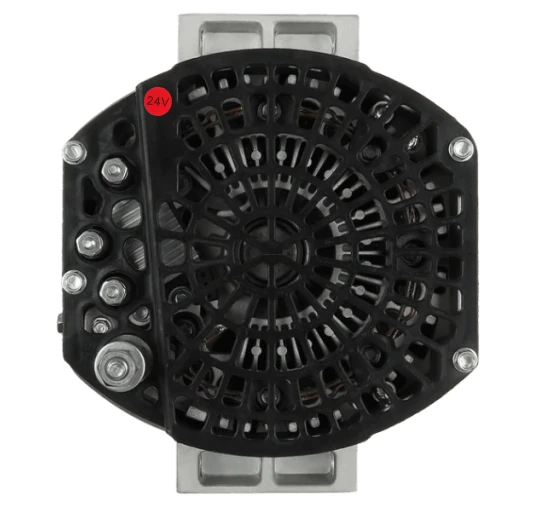
We understand the importance of quality and reliability when it comes to starter solenoids. That's why we only offer products that have been thoroughly tested and meet the highest standards of performance. By choosing our starter solenoids, you can be confident that you are getting a product that will start your engine reliably and efficiently.
References
- Automotive Electrical Systems Handbook
- Engine Starting System Manuals