

Is your lawn mower refusing to start? The problem often points directly to the starter for lawn mower. A faulty starter can leave you with a silent engine or just an annoying click when you pull the cord or turn the key. This comprehensive guide will walk you through everything you need to know about diagnosing, fixing, and replacing a starter for lawn mower, helping you get your grass-cutting tool back in action.

Part 1: Understanding Your Lawn Mower Starter
Before we dive into fixing it, let's understand what a starter for lawn mower is and how it works. Essentially, the starter is the component that physically cranks the engine to begin the combustion process.
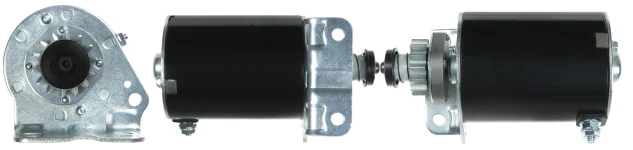
There are two main types you'll encounter:
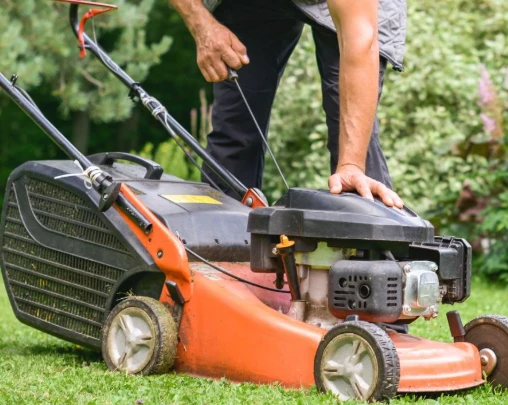
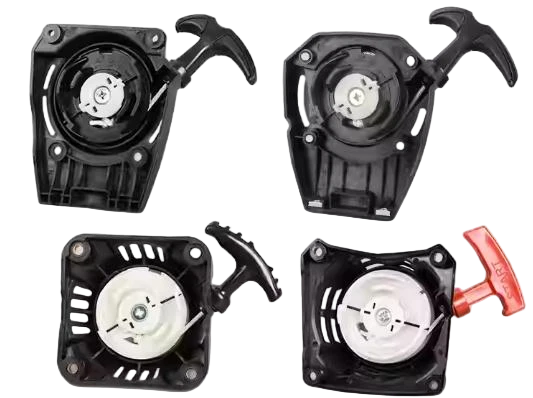
Pull-Start (Recoil Starter): Common on push mowers. You pull a cord that engages a mechanism to spin the engine.
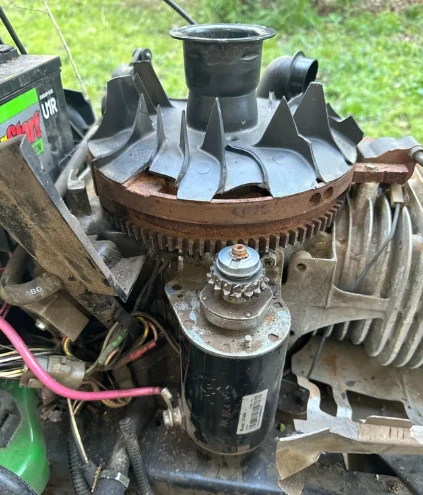
Electric Starter: Common on riding mowers and some premium push models. You turn a key or push a button, sending power from a battery to an electric starter motor.
Part 2: Diagnosing a Bad Starter for Lawn Mower
Not every starting problem is a bad starter. Follow this diagnostic flow to pinpoint the issue before you begin any repair on your starter for lawn mower.
Symptoms of a Failing Starter:
Pull-Start: The cord pulls out too easily with no resistance, the cord is stuck and won't pull, or you hear a grinding/clicking noise when pulling.
Electric Start: You hear a loud "click" but no cranking, a slow groan when trying to start, or complete silence when turning the key.
Step-by-Step Diagnosis:
1. For Electric Starters: Check the Battery First!
A weak battery is the #1 cause of electric starter failure. Use a multimeter to check the battery voltage. It should be 12.6V or higher for a 12V system. Charge or replace the battery before blaming the starter motor.
2. Check Connections and Safety Interlocks:
For electric mowers, ensure the battery cables are clean and tight on both the battery and starter solenoid terminals. For all mowers, verify you are engaging all safety levers (e.g., the blade disengagement lever on a ride-on mower).
3. Listen and Observe:
Single Click (Electric): Often indicates a good battery but a faulty starter solenoid or a seized starter motor.
Rapid Clicking (Electric): Almost always a sign of a dead or undercharged battery.
No Resistance (Pull-Start): The recoil spring may be broken, or the starter pulley may be disengaged.
Part 3: How to Fix a Pull-Start Starter for Lawn Mower
Fixing a pull-start lawn mower starter is a common DIY task. Here's how to tackle the most common repairs.
Common Problems & Fixes:
1.Broken or Frayed Recoil Rope:
Fix: Purchase a replacement recoil rope kit. Remove the starter housing, wind the new rope onto the pulley following the manufacturer's direction, and thread it through the handle and housing.
2.Failed Recoil Spring:
Fix: This spring retracts the rope. If broken, the rope won't retract. Kits include a new spring. Caution: The spring is under tension. Wear safety glasses and gloves during this repair.
3.Stuck or Jammed Rope:
Fix: Often caused by a damaged rope or debris in the housing. Disassemble, clean the housing and pulley, and inspect for damage.
Part 4: How to Test and Replace an Electric Starter for Lawn Mower
If diagnostics point to a faulty electric starter motor, follow these steps.
Testing the Electric Starter Motor:
1.Direct Power Test (SAFETY FIRST: Disconnect spark plug wire): Use jumper cables. Connect the negative (-) cable from the mower's battery negative terminal to the starter motor's casing. Briefly touch the positive (+) cable from the battery positive terminal to the starter's main power terminal. If the starter spins, it's good. If it clicks or does nothing, it's faulty.
2.Test the Solenoid: The solenoid is a relay that sends power to the starter. If you hear a click from it but the starter doesn't engage, bypass it with jumper cables (as above, connecting directly to the starter). If the starter now works, the solenoid is bad.

Replacing the Starter:
1.Disconnect the battery (negative terminal first).
2.Locate the starter (usually on the side or bottom of the engine).
3.Remove the electrical wires, noting their positions.
4.Unbolt the starter from the engine block.
5.Install the new starter for lawn mower in reverse order.